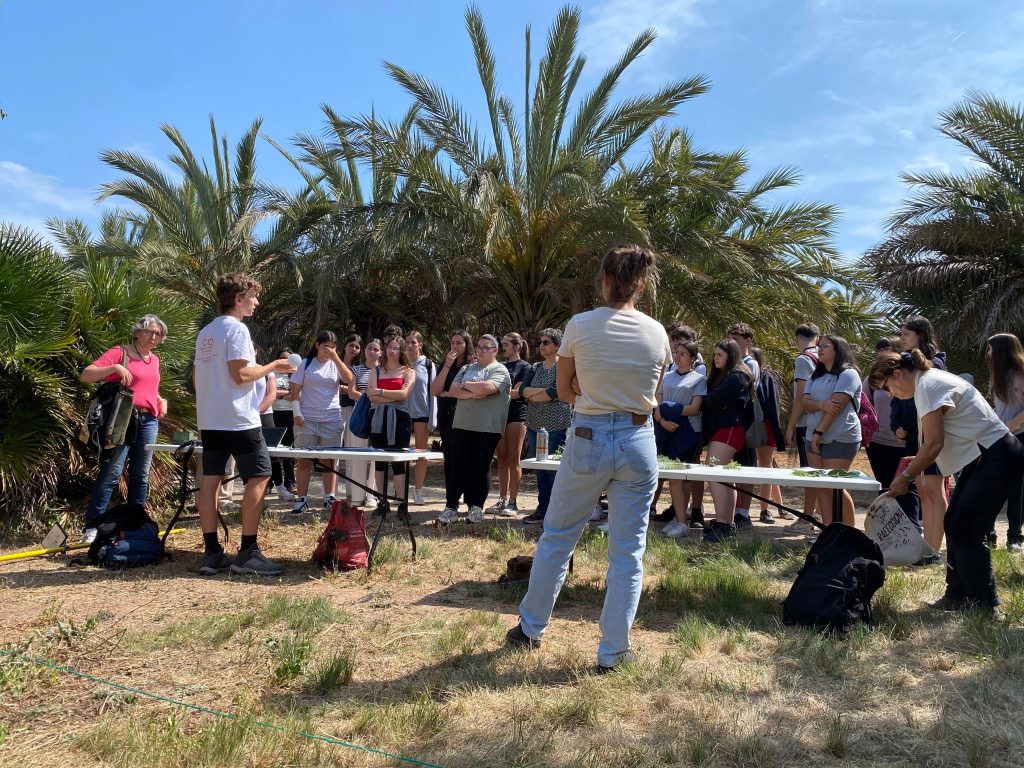
Last Friday, we participated in the “Phenoscience Program” of the Centre d’Educació Ambiental de la Comunitat Valenciana (CEACV). We presented our work on vegetation phenology and the use of the Bioclima app to 100 students from several schools in the Camp de Morvedre region. First, we gave short explanations about plant phenology, the tools we normally […]
Continue ReadingNews
Review on the limitations of trait-based ecology

After several years of work, a major review on the limitations of trait ecology has just been published (de Bello et al. 2025), in collaboration with a great team of traits experts. The paper, dedicated to a recent medal awarded to Sandra Lavorel (Francesco’s former postdoctoral supervisor), focuses on eighty areas of research (SFs) that […]
Continue ReadingVisit by our future collaborator Gianluigi Ottaviani
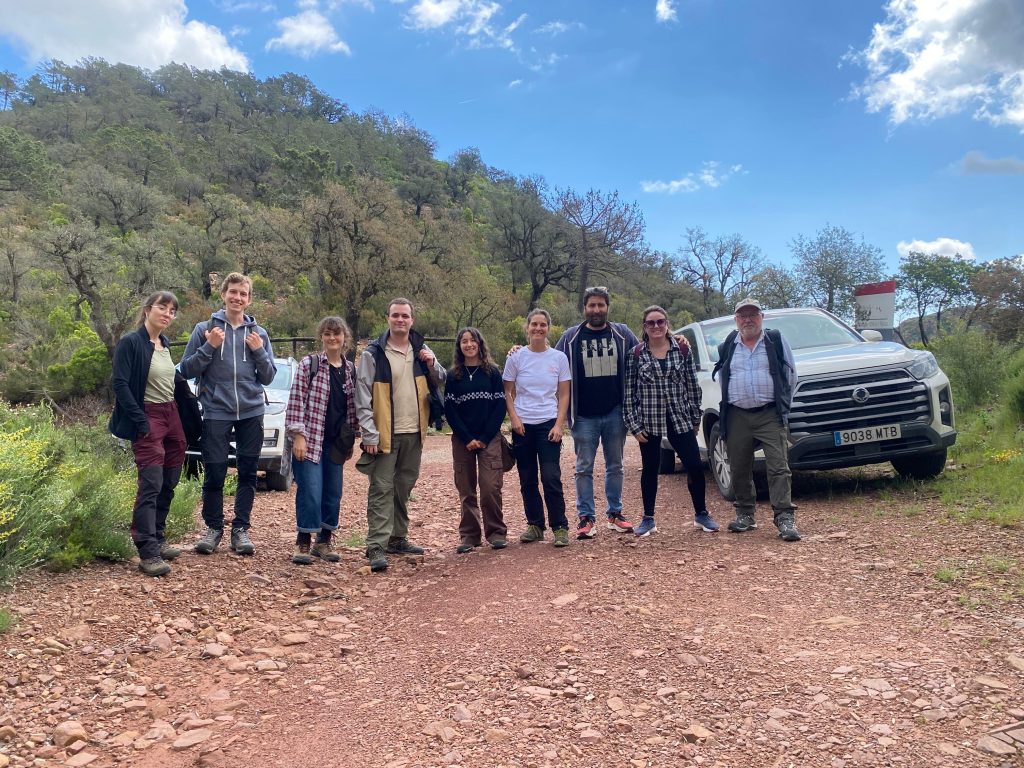
Gianluigi, who was recently awarded a Ramón y Cajal project to join CIDE, visited us to discuss future research lines. We visited plots of the network of “microrreservas” from the region of Valencia with his promotor, Emilio Laguna. Recently, we also published a review on intraspecific trait variability with Gian (Palacio et al. 2025).
Continue ReadingSampling week with the TraitDivNet crew
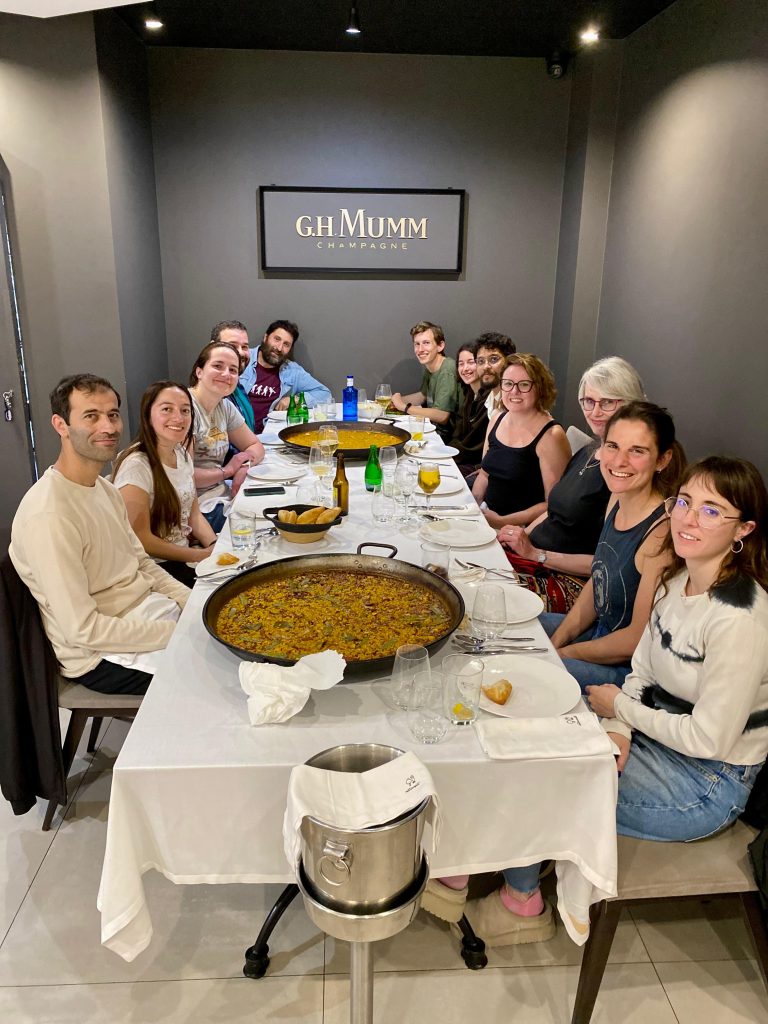
The TraitDivNet crew, specifically Carlos Carmona and his team, have spent some intense days sampling in our region, using the facilities of CIDE and enjoying some well deserved paella and horchata after the hard work. TraitDivNet is an open global network of researchers interested in plant traits launched in 2022. They aim to collect trait information […]
Continue ReadingFunctional Traits Course in Palermo

Francesco and Lars Götzenberger just gave another of their courses (Trait-based ecology: from theory to R tools), finally in person, in the city of Palermo, Sicily. The course, and also the food, were very much enjoyed. The event was organized by the National Biodiversity Future Center in Italy.
Continue ReadingDark diversity paper in Nature

Recently, our team, a close collaborator of Meelis Pärtel’s group in Estonia, published a paper in Nature. This paper presents one of the first results of the DarkDivNet initiative. The study shows that classic measures of diversity, based only on the sampled species, fail to reveal the impoverishment of the potential species pool caused by […]
Continue Reading